Highbury Barn flats bulky rubbish removal tips
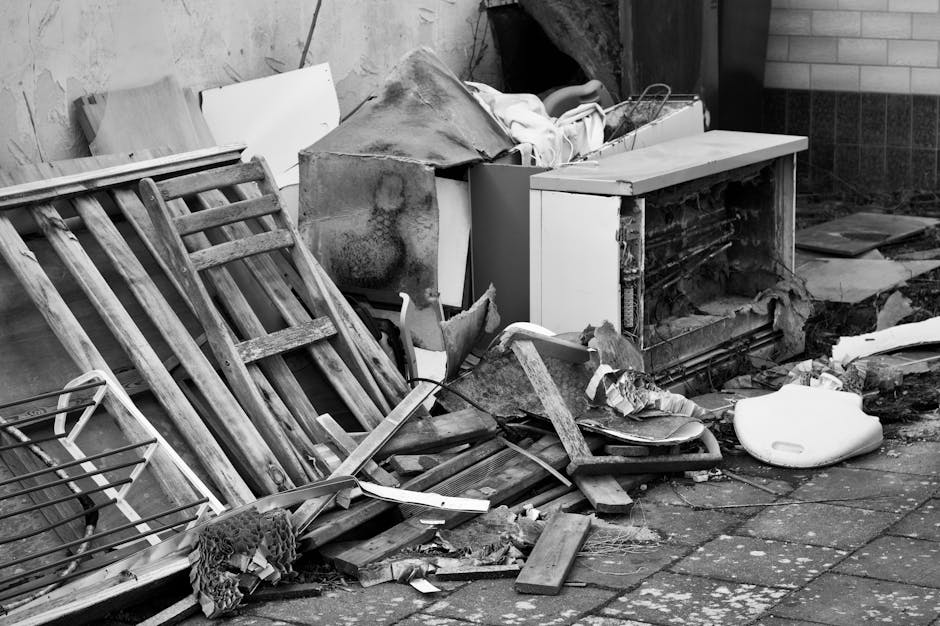
If you live in a flat near Highbury Barn, bulky rubbish can become awkward fast. A mattress leaning against the hallway wall, a broken wardrobe wedged by the front door, or an old fridge that seems to get heavier every time you look at it - it all adds up. The good news is that Highbury Barn flats bulky rubbish removal tips do not need to be complicated. With a bit of planning, the right handling, and a clear idea of what can and cannot go, you can clear space without upsetting neighbours, blocking access, or turning a simple job into a drawn-out mess.
This guide walks through the practical side of flat clearance in a busy London setting. You will get step-by-step advice, common mistakes to avoid, and a realistic comparison of removal methods. We will also cover compliance, recycling, and a few judgment calls that matter more than people think. To be fair, the hard part is often not the lifting - it is the logistics.
Why Highbury Barn flats bulky rubbish removal tips Matters
Bulky waste in flats is different from clearing a house. Space is tighter, access is shared, and one person's inconvenience can quickly become everyone's inconvenience. In Highbury Barn, where many buildings have narrow stairwells, controlled entry, or limited kerbside space, a sofa or freezer left in the wrong place can create a real headache.
There is also the practical side. Large items are often awkward to break down, and many residents keep postponing disposal because they assume it will be expensive, hard to arrange, or disruptive. Sometimes it is. But with a sensible plan, bulky rubbish removal becomes far more manageable. You avoid clutter, reduce trip hazards, and stop unwanted items from sitting around for weeks.
It also matters for goodwill. Neighbours notice when a communal landing is blocked, when lifts are used badly, or when rubbish bags are dragged out at the wrong time. In a shared building, small details count. A tidy removal is not just about the item leaving your flat; it is about how calmly it leaves.
If your clear-out is part of a bigger reset, it can help to look at broader options too, such as flat clearance or more specific services like furniture disposal and mattress and sofa disposal. That way, you are not forcing a one-size-fits-all solution onto every item.
How Highbury Barn flats bulky rubbish removal tips Works
At its simplest, bulky rubbish removal is the process of identifying large or difficult items, separating them from everyday waste, and getting them out of the building safely and legally. In a flat, though, the process has a few extra moving parts. You need to think about access routes, timing, neighbours, item type, and whether anything should be reused, recycled, or treated as specialist waste.
Here is the basic flow most people follow:
- List the items you want removed.
- Check whether any item needs special handling, such as appliances or hazardous materials.
- Decide whether you can dismantle anything to make it easier to move.
- Measure doorways, stair corners, and lift access if relevant.
- Choose a removal method: DIY, a van-based clearance, or a specialist service.
- Book a time that suits the building and keeps disruption low.
- Prepare the items so they can be collected quickly.
That sounds simple, and in principle it is. The trouble starts when a bulky item is half-dismantled but not quite ready, or when someone assumes the lift will handle a sofa that clearly will not fit. You know the scene - the object tilts, catches the frame, and everyone does that awkward shuffle of pretending it is fine. It is not fine, really.
For some homes, especially smaller flats or those with a mix of old and new furniture, the best approach is to combine services. For instance, a living room clear-out may involve furniture clearance, while a storage area job may need garage clearance or loft clearance. Matching the method to the mess saves time. Simple as that.
Key Benefits and Practical Advantages
Good bulky rubbish removal is not just about getting rid of stuff. It creates breathing room. That sounds a bit obvious, but you notice it the moment the item is gone - the hall opens up, cleaning is easier, and the room stops feeling like a storage problem.
- Safer communal areas: Clear hallways and landings mean fewer trip hazards and less obstruction.
- Less stress: You are not trying to cram a wardrobe into a hatchback at the last minute.
- Better recycling outcomes: Items can be separated more carefully when you plan ahead.
- Less disruption to neighbours: A calm collection is better than repeated dragging and banging through shared spaces.
- More space for the right things: You stop storing broken or unused items just because they are awkward to move.
There is also a hidden benefit: a better decision about what not to remove. Sometimes an item is not rubbish at all. A solid chair, a serviceable table, or a near-new appliance may be better handled through reuse, resale, or a targeted clearance route. If you are unsure, a service focused on home clearance can help you separate what stays from what goes without making the whole job feel like a bin day avalanche.
And if your bulky waste includes electrical items, it is worth thinking carefully before you lift anything out. The wrong handling of a fridge or freezer can be messy, and not just because of the size. For that, see fridge and appliance removal.
Who This Is For and When It Makes Sense
This advice is for anyone in a flat around Highbury Barn who has one or more large items to remove and does not want a rushed, noisy, or risky job. That includes renters, leaseholders, landlords, letting agents, and property managers. It also covers people doing a pre-move clear-out, post-tenancy tidy, inherited property clearance, or just the classic "I can't keep living with this sofa in the corner" moment.
It makes sense to use these tips when:
- you have bulky furniture that will not fit in normal waste bags;
- you need to clear items from a flat without damaging walls or shared spaces;
- you are working to a move-out deadline;
- you have multiple large items and need a tidy, efficient plan;
- you want to recycle or dispose of items responsibly rather than just leaving them out of sight.
For landlords and agents, speed matters, but so does traceability and presentation. A flat can look fine on a viewing day and still be carrying hidden clutter in the bedroom, balcony, or utility nook. In those cases, a fuller house clearance style approach may be more appropriate than a simple one-item collection.
If the property is also a home office or contains paperwork, a bit of extra planning around confidential shredding can save you from mixing sensitive documents with general waste. That is one of those small details people forget until the final hour.
Step-by-Step Guidance
Here is the most practical way to handle bulky rubbish removal in a Highbury Barn flat without making it harder than it needs to be.
1. Walk the flat and make a proper list
Do a room-by-room check. Write down every large item and separate it into categories: furniture, electricals, mixed waste, and anything possibly hazardous. Do not rely on memory. People always forget the thing behind the door or under the bed.
2. Check what can be dismantled
Some items become much easier once taken apart. A bed frame, table, shelving unit, or wardrobe may fit through stairs and corridors if it is reduced into manageable sections. Keep screws, fixings, and small parts in a labelled bag so reassembly is not a mystery later.
3. Measure the awkward bits
Measure door widths, hallway bends, and stair landings before collection day. If there is a lift, check whether the item really fits inside it, not just diagonally in theory. A quick measure can prevent a very embarrassing pause in the middle of the stairwell.
4. Separate special items early
Some waste needs extra care. Fridges, freezers, electronics, chemicals, paint, solvents, and anything sharp or contaminated should not be treated like normal furniture. If you are not sure, it is safer to ask than guess. For more cautious handling, look at hazardous waste disposal.
5. Choose your removal route
For one or two items, a simple collection may be enough. For a full flat clear-out, a more structured service is usually easier. If you are dealing with old seating, bulky beds, or worn-out sofas, the right route may be linked to mattress and sofa disposal or broader furniture clearance.
6. Book at a sensible time
Think about your neighbours, building rules, and your own energy levels. Morning collections can be efficient, but in some blocks a mid-morning slot is less disruptive. If you are in a busy street near Highbury Barn, avoiding peak congestion can make the whole process calmer.
7. Prepare the route out
Clear the corridor, prop doors safely if needed, and keep pet bowls, shoes, and loose clutter out of the way. If the collection team arrives and has to navigate around four coat racks, a bike, and a drying rack, well, that slows everything down a bit.
8. Confirm what happens after collection
Ask how items are sorted, recycled, or disposed of. A responsible provider should be able to explain their process in plain English. If sustainability matters to you, choose a company that talks clearly about recycling rather than pretending everything magically vanishes.
Expert Tips for Better Results
A few small decisions can make flat bulky waste removal much smoother. These are the details people often skip, then regret later.
- Break down before collection day. Even partial dismantling can save minutes and reduce the risk of damage.
- Use painter's tape or labels. Mark items that must stay, go, or be checked again. It reduces mistakes when you are tired.
- Protect corners and floors. A bit of cardboard or a moving blanket is cheap insurance against scuffs.
- Keep small parts together. One loose bag of screws is much better than a mystery trail across the flat.
- Think about noise. Dragging items across hard floors sounds awful in a shared block. Lift where possible, slide only with protection.
- Plan one final sweep. Before the team leaves, look in cupboards, under beds, and on balconies. People forget balconies all the time.
A useful rule of thumb: if an item is awkward for one person to carry safely, it is probably awkward enough to justify proper planning. That is not being dramatic. It is just common sense, really.
If you are comparing disposal routes, a focused service such as furniture disposal is often better for single bulky items, while a broader service like waste removal can suit mixed loads. Matching the service to the load matters more than people realise.
Common Mistakes to Avoid
The biggest mistakes are usually boring ones, which is oddly annoying. They are easy to avoid, but only if you stop and think for a minute.
- Leaving everything until the last day. That is how people end up dragging a sofa out at 8 p.m. with nowhere to put it.
- Guessing item weight or size. Guessing is how lifts get blocked and backs get strained.
- Mixing special waste with general waste. Paint, chemicals, batteries, and similar items need separate handling.
- Blocking communal areas. Even temporarily, this can annoy neighbours and cause building issues.
- Forgetting access constraints. A stairwell might look wide enough until the item is halfway turned.
- Assuming everything is disposable in the same way. It is not. A wardrobe, an oven, and a pile of papers each need a different approach.
There is one more mistake that deserves a mention: forgetting to ask about insurance and safety. If someone is carrying large items through shared space, you want to know they are set up properly. It is worth checking a company's insurance and safety approach before booking, especially in a building with fragile finishes or tight access.
Let's face it, no one wants the "sorry about the dent" conversation after the event.
Tools, Resources and Recommendations
You do not need a truckload of equipment to manage bulky rubbish removal well, but a few tools make life much easier.
| Tool or resource | Why it helps | Best used for |
|---|---|---|
| Measuring tape | Confirms whether items will fit through doors, stairs, and lifts | Wardrobes, sofas, appliances |
| Screwdriver set | Makes basic dismantling faster | Beds, shelves, desks |
| Heavy-duty gloves | Helps protect hands from splinters, sharp edges, and grime | Most bulky item handling |
| Moving blankets or cardboard | Reduces scuffs on walls, floors, and furniture corners | Shared hallways and narrow turns |
| Strong bags and labels | Keeps fixings, cables, and loose parts organised | Flat pack furniture and mixed loads |
On the service side, a few pages can help you understand the differences between clearance types. For example, garage clearance is useful when bulky items have been stored away for years, while office clearance may be more relevant if the flat doubles as a work space. And if you are clearing several rooms, home clearance is often the cleanest way to think about the job.
If you want to understand what can fit in a mixed-load collection, the guide on what can go in a skip is a useful reference point, even if you are not hiring a skip at all. It helps you think in terms of item categories, which is half the battle.
Law, Compliance, Standards and Best Practice
You do not need to become a waste law expert to clear bulky rubbish properly, but you should understand the basics. In the UK, waste must be handled responsibly, and duty of care matters. In plain English: if you hand waste to someone else, you should be satisfied that they are taking it to a lawful destination and managing it correctly.
For flat residents, the most practical best practices are straightforward:
- do not leave bulky waste in communal areas unless it has been arranged properly;
- keep hazardous or specialist items separate from ordinary furniture;
- make sure electrical and appliance waste is handled safely;
- avoid using informal, unverified disposal methods;
- ask how items will be reused, recycled, or disposed of.
Safety standards also matter in shared buildings. A corridor with a tight turn, a lift with limited weight, or stairs with low headroom can make a simple move risky if the team is not prepared. That is where thoughtful planning and proper training count. If a provider talks about health and safety policy, that is a positive sign, because it usually means they think about the job before they start rather than after the scrape on the wall appears.
And yes, recycling matters too. A responsible approach should try to keep reusable materials in circulation where possible. If sustainability is part of your decision, take a look at recycling and sustainability. It is a sensible checkpoint, not just a nice extra.
Options, Methods, and Comparison Table
There is no single best method for every flat. The right choice depends on the item size, the urgency, the number of items, and how much lifting you want to do yourself.
| Method | Best for | Pros | Watch out for |
|---|---|---|---|
| DIY disposal | Small number of items, easy access, plenty of time | Can be flexible if you already have transport | Heavy lifting, access issues, multiple trips |
| Skip hire | Ongoing clear-outs, renovation debris, mixed bulky waste | Handy for larger volumes | Space requirements, permit considerations, lifting into a skip |
| Man and van clearance | Flat access, bulky furniture, quick turnarounds | Less lifting for you, often faster and tidier | Need to sort items properly beforehand |
| Specialist item disposal | Fridges, mattresses, sofas, appliances, sensitive waste | Better handling for awkward or regulated items | Not every provider handles every item type |
For many people in Highbury Barn flats, a direct collection approach is the sweet spot. It works especially well when the load includes one or two awkward things plus a few smaller items. If the clear-out is larger, you may want to pair it with broader services such as builders waste clearance after refurbishment work, or office clearance if the flat has been used as a work base. Different jobs, different logic.
Case Study or Real-World Example
A typical Highbury Barn flat clear-out might look like this. Imagine a two-bedroom flat with an old sofa, a broken bed frame, a chest of drawers, a microwave that no longer heats properly, and a stack of boxes in a cupboard by the hallway. Nothing extreme, just enough to make the flat feel cramped and a bit tired.
The resident starts by listing the items and measuring the bed frame and sofa. The bed comes apart neatly, but the sofa does not; it needs careful rotation through a narrow doorway. The microwave is separated for appliance handling, and the boxes are checked for anything that should not go in general waste. The hallway is cleared, the route is protected with a blanket, and the collection is timed for late morning so neighbours are less likely to be disturbed.
What made the difference? Not brute force. Planning.
By the end of the day, the flat feels brighter, the corridor is clear, and the resident has not spent the afternoon trying to find a friend with a van. A small thing, maybe. But when you live in a compact London flat, a small thing can feel huge.
In cases like this, the combination of mattress and sofa disposal, fridge and appliance removal, and general waste removal can be more efficient than trying to force everything into a single category.
Practical Checklist
Use this checklist before bulky rubbish is collected from a Highbury Barn flat:
- List every item you want removed.
- Check whether anything is hazardous or electrical.
- Measure the largest items and the tightest access points.
- Dismantle furniture where sensible.
- Remove loose contents from drawers, cupboards, and shelves.
- Bag screws, fittings, and small parts together.
- Protect floors, corners, and door frames if needed.
- Clear the route from the flat to the exit.
- Confirm collection time and building access details.
- Ask how items will be recycled or disposed of.
- Do a final room-by-room sweep before the team arrives.
Expert summary: the best bulky waste removals in flats are the ones that look uneventful. No blocked corridors, no guesswork, no last-minute dragging. Just a calm plan, sensible sorting, and a clean finish.
If you are ready to move from planning to action, start by comparing the type of load you have with the service you actually need. Sometimes that means a simple furniture job. Sometimes it means a fuller flat clearance. Either way, the right approach usually makes the whole day feel lighter.
Conclusion
Highbury Barn flats bulky rubbish removal tips are mostly about common sense done well: measure first, sort carefully, protect shared spaces, and choose the right disposal route for the load. Once you do that, bulky waste stops feeling like a looming project and starts looking like a manageable task.
The real win is not just getting the item out. It is doing it without stress, without damage, and without leaving a trail of inconvenience behind you. That is what good flat clearance feels like - neat, respectful, and quietly efficient.
Get a free quote today and see how much you can save.
And if you are still deciding between different clearance approaches, it is perfectly fine to pause and think it through. A careful choice now usually saves you a headache later, which is no bad thing at all.
Frequently Asked Questions
What counts as bulky rubbish in a flat?
Bulky rubbish usually means large items that do not fit in normal household bins or refuse sacks. Think sofas, mattresses, wardrobes, tables, chairs, appliances, and oversized mixed items that are awkward to move.
Can I leave bulky items in the communal hallway?
Usually no, unless building rules and an arranged collection specifically allow it. In shared flats, hallways and landings need to stay clear for safety and access. Leaving items there can cause issues for neighbours and management.
How do I know if an item needs special disposal?
If the item contains electronics, chemicals, sharp components, refrigerants, or anything potentially harmful, it may need specialist handling. Fridges, freezers, batteries, paint, and certain cleaners are common examples.
Is it better to dismantle furniture before collection?
Usually, yes. Dismantling can make lifting safer and help items fit through tight stairwells and doorways. Even partial dismantling can make a big difference in a flat with narrow access.
What is the easiest way to remove a sofa from a flat?
Measure the sofa and the route out first, remove cushions and legs if possible, and protect walls and corners. If it still looks awkward, a specialist sofa disposal service is often the least stressful option.
Do I need to book bulky rubbish removal in advance?
In most cases, yes. Booking ahead gives you time to sort the load, clear access, and avoid last-minute chaos. For flats, advance planning is especially useful because shared access can be limited.
Can bulky waste be recycled?
Often, yes. A lot depends on the item type and condition. Metal, wood, certain plastics, textiles, and electrical components can sometimes be separated for recycling, while other parts may need different treatment.
What if I live in a top-floor flat with no lift?
That is where careful planning matters most. Measure the route, dismantle what you can, and avoid carrying items that are unsafe to manage alone. A proper clearance team can help reduce the strain and the risk.
How can I avoid damaging the flat during removal?
Use floor protection, pad sharp corners, keep a clear route, and do not rush the move. Damage usually happens when someone turns an item too quickly or underestimates a tight space. Slow is often faster, oddly enough.
What should I do with a mix of furniture and general rubbish?
Sort the items first. Furniture, electricals, soft furnishings, and everyday rubbish are not always handled the same way. A mixed load is often best managed with a broader home clearance or waste removal approach.
How do I choose between skip hire and a clearance service?
Skip hire can suit larger ongoing projects, but in flats it may be awkward because of space, access, and lifting. A collection-based clearance service is often easier for bulky items in a shared building.
Is it worth checking a company's safety and recycling policies?
Yes. It gives you a clearer idea of how your items will be handled and how much care the team will take with access and disposal. A transparent provider is usually a safer choice for flats, especially in tighter buildings.